




Long Beach is one of the most important shipping hubs in the United States. Every day, thousands of commercial trucks move freight between the Port of Long Beach, rail yards, warehouses, and distribution centers throughout Los Angeles County. While this activity fuels the California regional economy, it also poses serious safety risks to road users.
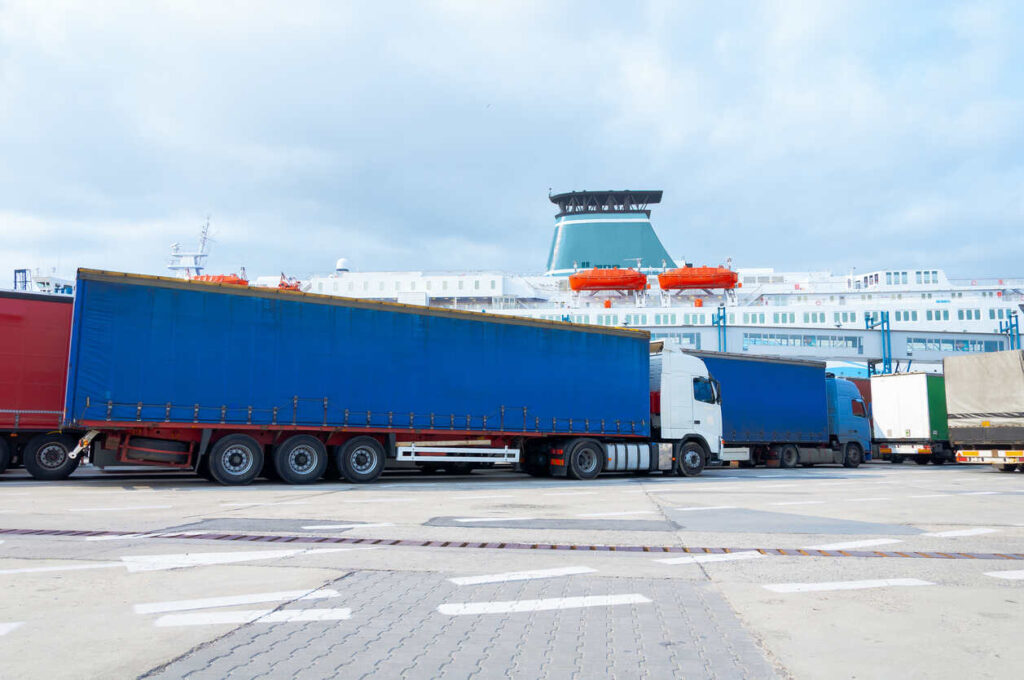
As port operations have expanded, so has the danger posed by heavy truck traffic on city streets and freeways.
Why Port Trucking is Different from Ordinary Commercial Traffic
Schedules, volume, and pressure drive port-related trucking. Drivers are often paid per load, not per hour, which creates incentives to move quickly and maximize trips.
Many of these trucks:
- Operate around the clock.
- Travel heavily congested routes.
- Move between industrial zones and residential areas.
- Carry massive containerized cargo.
This combination increases the likelihood of driver fatigue, rushed maneuvers, and overloaded vehicles.
How Container Traffic Increases Crash Severity
Port trucks are not just large; they often haul shipping containers that significantly affect how the truck handles.
These loads can affect:
- Braking distance.
- Stability when turning.
- Visibility around the vehicle.
- Reaction time in emergencies.
When a collision occurs, the weight and momentum of a fully loaded truck can turn a minor driving mistake into a catastrophic crash.
Why Long Beach Roads Are Especially Vulnerable
Port trucks must travel through surface streets, highway on-ramps, and densely populated areas. Many routes were never designed for the volume and size of modern freight traffic.
Narrow lanes, aging infrastructure, and frequent stop-and-go conditions increase the risk of:
- Rear-end collisions.
- Wide-turn crashes at intersections.
- Lane-change collisions.
- Pedestrian and cyclist strikes.
These risks grow as shipping volumes continue to rise.
Who May Be Responsible After a Port Truck Crash
Truck collisions are rarely as simple as one driver making a mistake.
Multiple parties may share responsibility, including:
- The truck driver.
- The trucking company.
- Cargo handlers.
- Maintenance providers.
- Logistics companies control delivery schedules.
Our attorneys examine records such as driver logs, maintenance histories, cargo weights, and dispatch instructions to identify all sources of liability.
Why These Cases Require Thorough Investigation
Port trucking companies and their insurers move quickly after a crash to protect themselves. Critical evidence can be lost or altered if it is not secured promptly.
Our attorneys work to preserve:
- Black box data.
- Vehicle inspection records.
- Cargo documentation.
- Surveillance and port gate footage.
These details often determine whether a case succeeds or fails.
How Our Attorneys Help Long Beach Truck Crash Victims
Collisions involving port-related trucks are subject to complex regulations, multiple companies, and powerful insurers. Our attorneys understand how to navigate these cases and pursue full accountability when safety rules are ignored.
At the Law Offices of Asher Hoffman, we focus on uncovering the truth behind serious truck crashes and protecting the people who were harmed.
If you were injured in a crash involving a port-related truck in Long Beach or anywhere in Los Angeles County, our attorneys are here to help. Call 877-792-4529 or contact us online to schedule a consultation and learn how we can fight for you.

