



Rideshare services like Uber and Lyft have become a common part of life in Long Beach and Los Angeles County. With thousands of transportation network company (TNC) vehicles operating in the region daily, these services provide convenience and mobility to residents and visitors alike. At the same time, the unique demands on rideshare drivers can create distraction-related risks that exceed those typical motorists face on the road.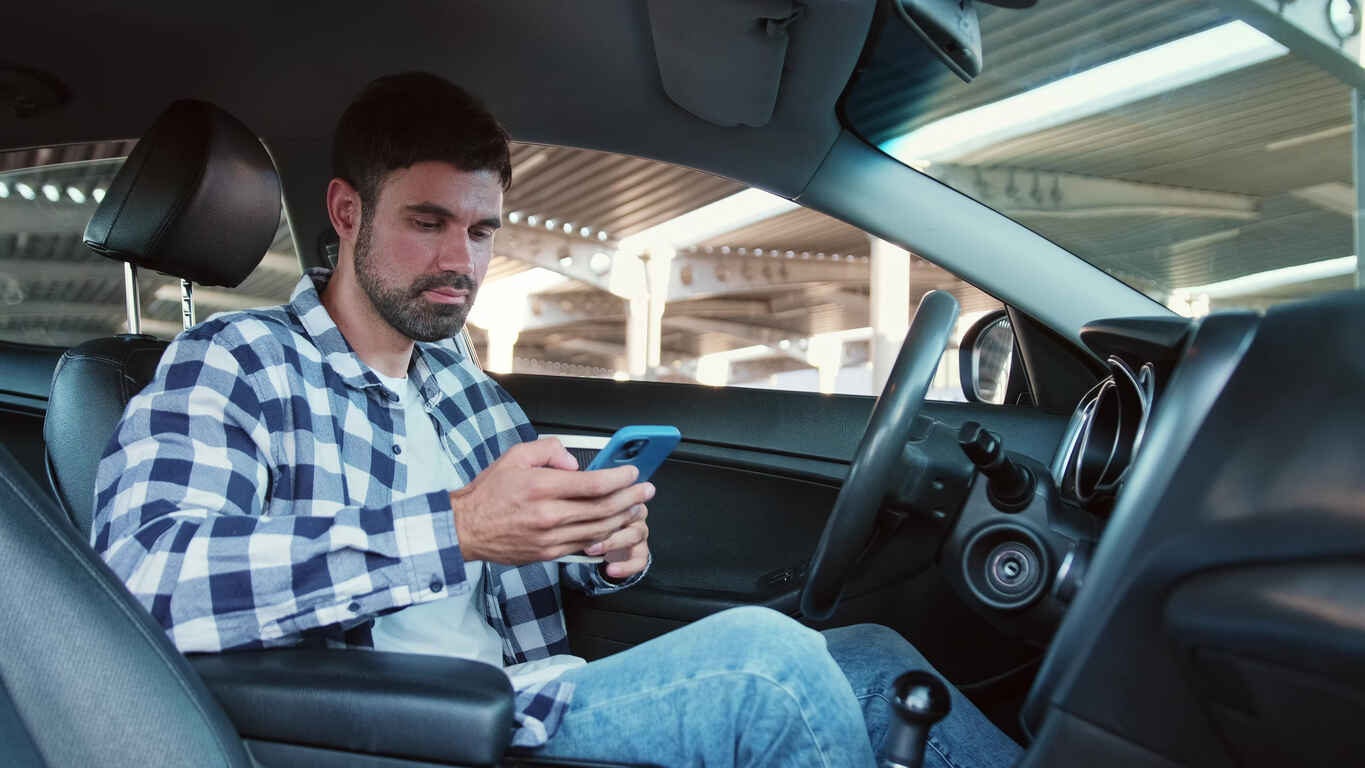
Understanding why rideshare drivers may be more prone to distractions and how those distractions can contribute to collisions and injuries helps injured victims and their families protect their legal rights after a crash.
What Makes Rideshare Driving Different from Ordinary Driving
Unlike someone commuting to work or running errands in a personal vehicle, a rideshare driver’s role involves constant interaction with technology and passengers.
This introduces extra tasks and decisions that can divert attention away from driving, such as:
- Monitoring and responding to app notifications or incoming ride requests.
- Checking navigation apps for dynamic routing updates.
- Communicating with passengers or potential riders.
- Managing pickup and drop-off locations, often in busy or unfamiliar areas.
- Balancing demands to complete more rides for better earnings.
Each of these activities can draw a driver’s focus away from the road, even if only for a moment.
App Interaction and Cognitive Load Behind the Wheel
At the core of rideshare driving is the use of mobile applications to accept rides, track routes, and update trip status. While these apps are essential to the job, interacting with them can be a source of distraction. Even glances at a phone to read a notification or respond to a ride request can interrupt a driver’s ability to monitor traffic conditions, maintain lane position, or notice pedestrians, cyclists, and other hazards around them.
In traditional driving, most technology interactions occur before a trip begins — like entering a destination into a GPS before setting off. For rideshare drivers, these interactions often happen while the vehicle is in motion, increasing the risk of distraction-related errors.
Navigation and Route Changes in Complex Traffic Patterns
Roads in Long Beach and Los Angeles County are known for heavy traffic, frequent lane changes, and constantly shifting street patterns.
Rideshare drivers frequently use GPS navigation to find riders and deliver them to their destinations, but these systems can also be a source of distraction:
- Constant recalculation when a turn is missed.
- Attention was diverted to the map screens rather than the road.
- Secondary tasks like adjusting routes mid-trip.
In an urban environment where traffic can slow unexpectedly, and pedestrians are present at crosswalks, even a brief lapse in attention while navigating can increase the risk of a crash.
Passenger Interaction and Its Impact on Focus
Rideshare drivers have a unique social dimension to their job. Unlike working alone, they routinely interact with passengers — greeting them, handling luggage, answering questions, and sometimes resolving disputes over pickup locations or route preferences.
While such interactions are part of the service, they also represent moments when the driver’s attention may be divided between the road and a conversation or task inside the vehicle. This division of focus can affect reaction times and increase the likelihood of an accident, particularly in congested urban settings.
Fatigue and Work-Related Distractions
Many rideshare drivers work long hours to earn a livable income, and driving for extended periods without sufficient breaks can contribute to fatigue, another form of distraction.
Fatigued driving is characterized by:
- Slower reaction times.
- Reduced situational awareness.
- A higher likelihood of making errors or drifting between lanes.
When fatigue combines with the constant demands of managing app interactions, navigation, and passenger needs, the cumulative distraction risk can be significant.
Why These Distractions Matter for Injury Claims
When a crash occurs involving a rideshare vehicle in Long Beach or elsewhere in Los Angeles County, the way distractions contributed to the collision often becomes an important part of any injury claim.
In California, drivers have a duty to exercise reasonable care. Distraction, whether due to app engagement, navigation use, passenger interaction, or fatigue, can be evidence of a failure to uphold that duty.
If a distracted action by a rideshare driver caused or contributed to a crash, injured victims may be entitled to compensation for:
- Medical bills and ongoing treatment costs.
- Lost income and future earning capacity.
- Pain and suffering and emotional distress.
- Disability or long-term impairment.
Proving that distraction played a role often requires a thorough investigation into the driver’s behavior and the sequence of events leading up to the crash.
How Our Attorneys Help After Rideshare Crashes
Rideshare injury claims can involve complex legal and insurance issues, especially when multiple parties and commercial policies are involved.
Our attorneys at the Law Offices of Asher Hoffman assist injured individuals by:
- Investigating whether driver distractions contributed to the collision.
- Reviewing app data, navigation logs, and communication records that may indicate in-motion interactions.
- Preserving critical evidence such as video footage, vehicle data, and witness statements.
- Establishing liability under California traffic laws and negligence standards.
- Representing your interests in negotiations with insurers or at trial.
Because rideshare drivers operate under both personal and commercial insurance coverages, identifying all responsible parties and applicable policies is essential to maximizing compensation for your losses.
Contact Our Experienced Long Beach Rideshare Accident & Injury Attorneys
Rideshare services offer mobility and convenience, but they also pose unique demands that can increase the risk of distraction for drivers in Long Beach and throughout Los Angeles County. The combination of app interactions, passenger communication, navigation responsibilities, and extended driving hours can divert the driver’s attention from the road.
If you or a loved one has been injured in a crash involving a rideshare driver, our attorneys at the Law Offices of Asher Hoffman can help you understand your rights and pursue the compensation you deserve.
Contact us today at (562) 573-2979 or online to schedule a consultation and learn how we can support you.

