


Lane splitting is one of the most misunderstood riding practices in California, even though the state is one of the few in the country where it is expressly permitted. Misconceptions about what lane splitting is, how it works, and whether it is safe often influence how drivers react to motorcyclists on the road. Those same misconceptions can also complicate injury claims after a collision.
Understanding why these misunderstandings matter helps motorcyclists protect their rights after a serious crash.
Why Lane Splitting Remains Misunderstood By Drivers
Most drivers are unfamiliar with lane splitting because it is not legal in most other states. When they see a rider traveling between lanes, they may assume the motorcyclist is behaving recklessly or breaking the law. These assumptions persist even though trained riders can lane split safely and responsibly. Misunderstandings about speed, spacing, and visibility often lead drivers to misjudge a rider’s intentions or underestimate their presence, contributing to preventable collisions.
How Misconceptions Influence Fault After a Collision
After a crash, insurance companies often rely heavily on statements from drivers and witnesses. If those individuals mistakenly believe lane splitting is illegal, they may describe the rider’s actions in a way that unfairly shifts blame. These misconceptions can affect liability assignment, even when the motorcyclist was following safe lane-splitting guidelines. This misunderstanding can also delay claims, increase disputes, or lead insurers to argue that the rider contributed to their own injuries.
The Difference Between Unsafe Riding and Safe Lane Splitting
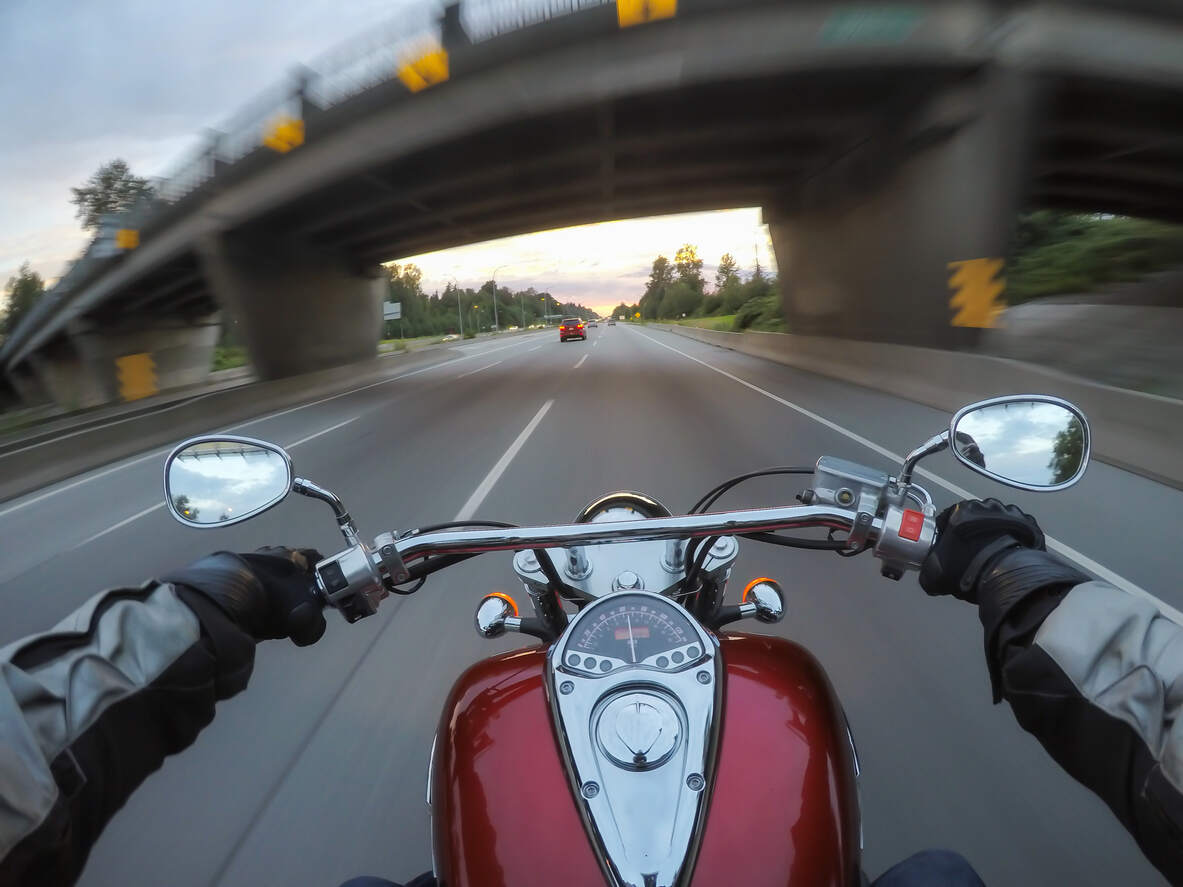
There is a significant difference between unsafe weaving and controlled lane splitting, yet many people view them as the same. Responsible lane splitting involves operating at moderate speeds, maintaining predictable movement, and being aware of traffic patterns. When done within recommended guidelines, it reduces rear-end collision risks and helps smooth traffic flow in congested areas. However, when observers cannot distinguish safe lane splitting from risky behavior, confusion can complicate the claims process.
Why Evidence Becomes Essential in Lane-Splitting Claims
Because misconceptions are so common, evidence plays a decisive role in clarifying what actually happened during a motorcycle crash. Helmet or dash cameras may show the rider’s speed, position, and visibility. Damage patterns can indicate the direction of travel and the point of impact. Traffic conditions may also help explain why lane splitting was reasonable at that moment. Without this level of detail, insurance companies may attempt to rely on biased or inaccurate driver accounts.
How Driver Behavior Contributes to Lane-Splitting Collisions
Many lane-splitting collisions occur because drivers do not expect a motorcycle to be between lanes. Sudden lane changes, drifting out of lane boundaries, and opening car doors without checking mirrors are all common contributors. When drivers do not understand lane splitting or view it negatively, they may behave in ways that increase risks. Establishing this context becomes vital in determining fault and showing that the rider acted predictably and lawfully.
How Public Perception Complicates Settlement Negotiations
Even when a motorcyclist acted safely, the widespread belief that lane splitting is reckless can influence how insurers view the case. Adjusters may argue that the rider assumed additional risk or should have anticipated dangerous driving by surrounding drivers. These assumptions often lead to lower initial settlement offers, more extensive disputes, or requests for unnecessary investigations. Correcting these misconceptions through strong advocacy is usually required to reach a fair outcome.
How Our Attorneys Help Overcome Misconceptions and Protect a Claim
Because misunderstandings about lane splitting are so widespread, injured riders benefit from having an attorney who understands how to present the facts clearly. Our Long Beach personal injury attorneys can gather evidence, consult accident reconstruction experts, and identify where driver assumptions influenced the narrative. These steps help shift the focus back to what matters: whether the rider acted reasonably and whether the driver failed to notice or respect their presence.
If you were injured in a motorcycle collision while lane splitting in California, the Law Offices of Asher Hoffman may be able to help you navigate these challenges. Contact us today 877-792-4529 or online to learn how we can advocate for your rights and work toward the outcome you deserve.

